Stop the medication and contact your prescriber or NHS 111 (or 999 for the allergic reactions below) if you experience: Signs of a severe allergic reaction Difficulty breathing or swallowing Swelling of the face, lips, tongue, or throat Widespread severe rash or itching Rapid heartbeat with feeling faint Signs of pancreatitis Severe upper-abdominal pain that may spread to the back Pain that doesnt go away and may worsen after eating Severe nausea and vomiting alongside the pain Signs of gallbladder problems Pain in the upper right side of the abdomen, often after eating Fever Yellowing of skin or eyes (jaundice) Clay-coloured stools Signs of severe dehydration Unable to keep fluids down for more than 24 hours Very dark urine, or not passing urine Severe dizziness or confusion Signs of kidney problems Decreased urination Swelling in legs or ankles Persistent severe tiredness Questions to ask your GP Before starting a weight-loss injection, work through these with your prescriber: Eligibility Are there any reasons I shouldnt take this

This means it hasn't undergone the rigorous testing required to ensure its safety and efficacy
10.1016/s0928-4257(01)00042-0 84 StaresinicM.PetrovicI.NovinscakT.JukicI.PevecD.SuknaicS.et al (2006)
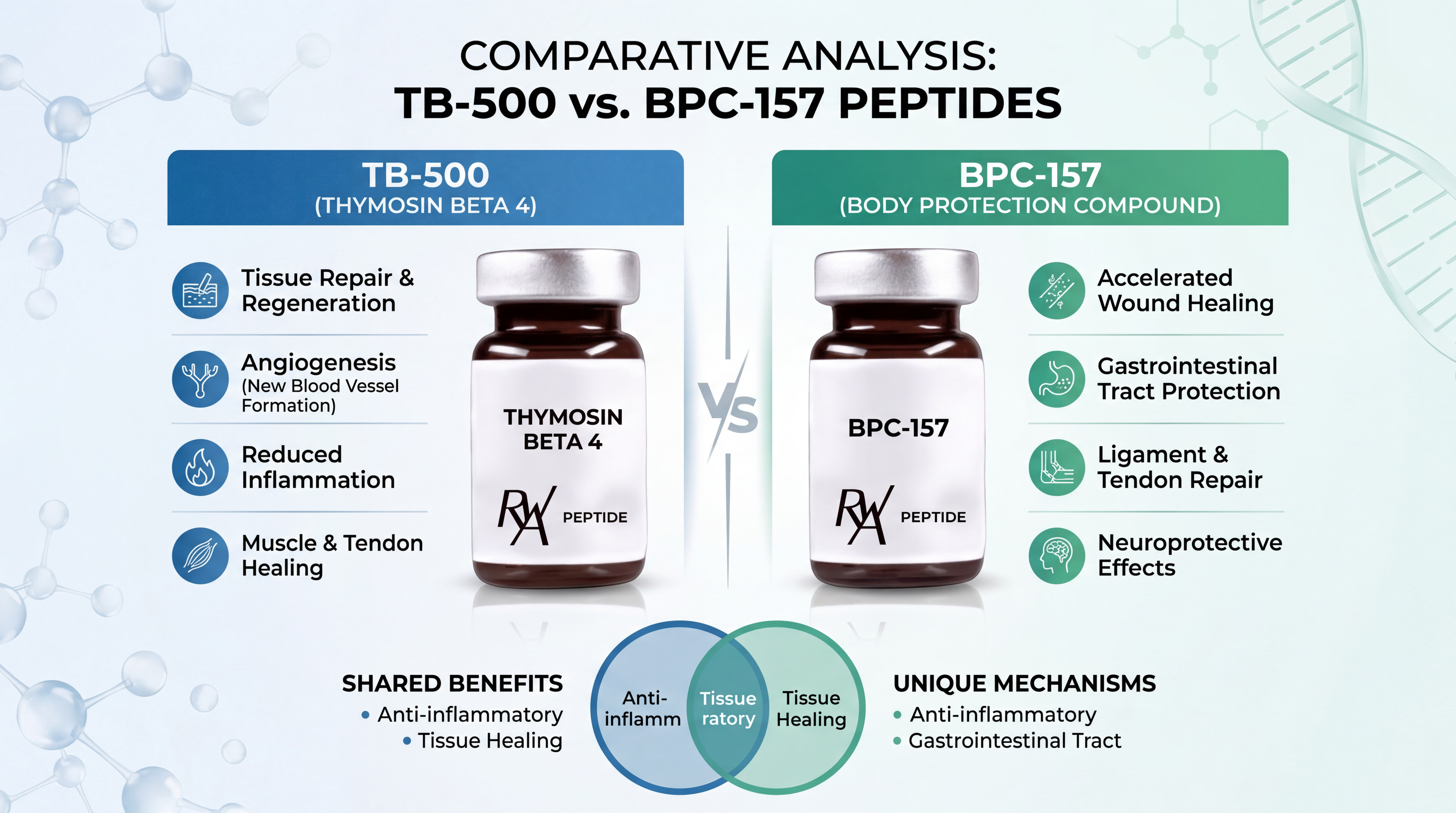
This includes research into NSAID-induced gastric lesions, where its cytoprotective properties are examined, and models of Inflammatory Bowel Disease (IBD), where its anti-inflammatory and barrier-protective functions are explored
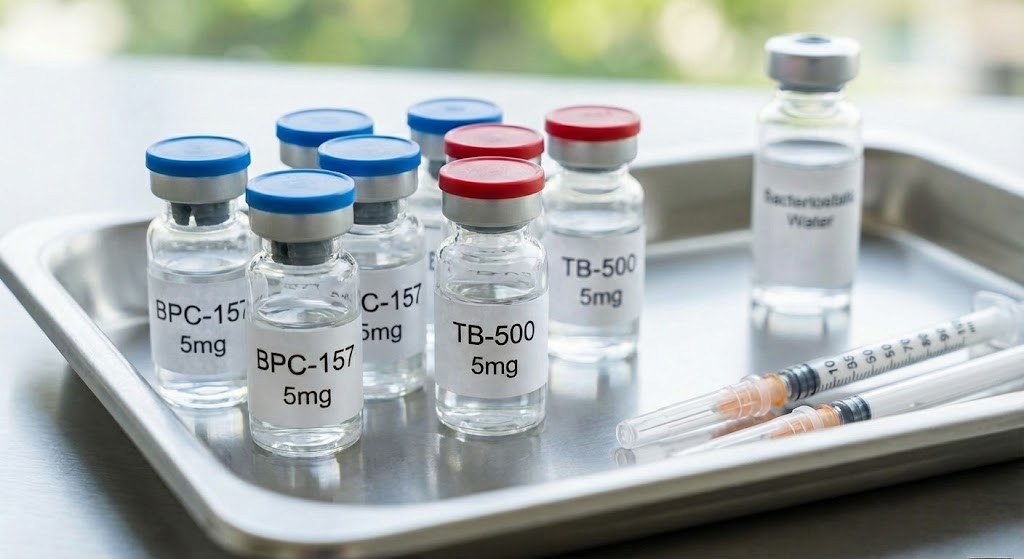
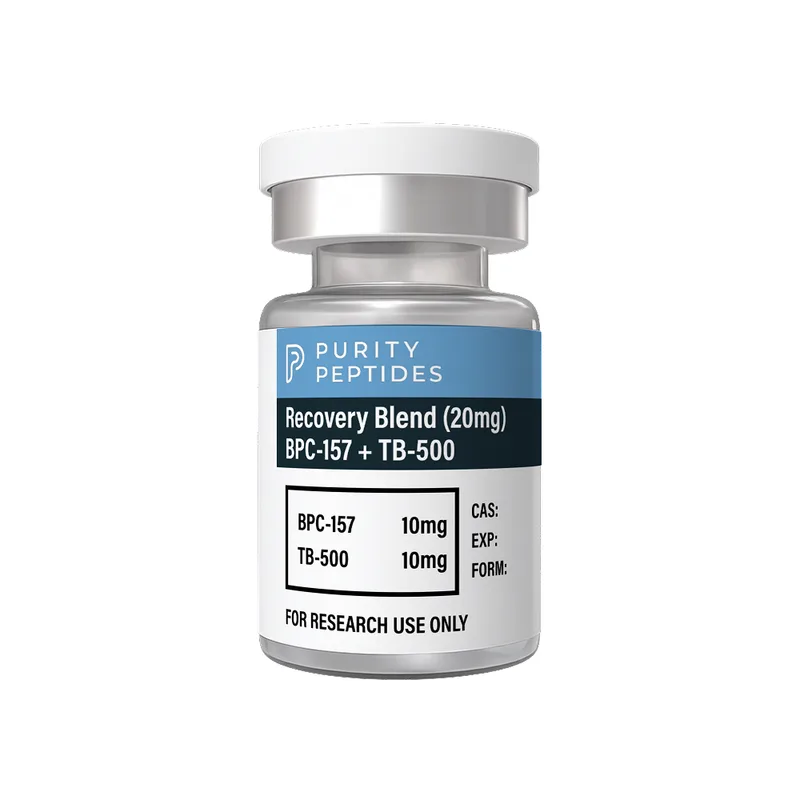
The headliner is BPC-157, a substance whose PubMed footprint now runs north of two hundred papers
GLP-1 Peptide Medications GLP-1 peptides -- such as semaglutide and tirzepatide -- may be a more clinically validated option for patients whose primary goal is meaningful weight loss, and these are addressed in separate articles in this Peptide Series