The trial did not resume enrollment Preclinical cardiac evidence: Animal models of myocardial infarction demonstrated RGN-352 reduced scar volume, improved cardiac function, and increased survival, forming the basis for the clinical program (PMID: 25015963) RGN-259 (Thymosin Beta-4 Ophthalmic Solution for Dry Eye): ARISE-1 and ARISE-2 Phase 3 trials: Evaluated Thymosin Beta-4 eye drops for dry eye disease with mixed results some endpoints showed improvement in signs of dry eye, but the pre-specified co-primary endpoints were not met, though some secondary endpoints showed statistically significant improvements in certain signs of dry eye (PMID: 23050815) These ophthalmic trials represent the most advanced clinical testing of any Thymosin Beta-4 formulation Independent Pilot Study (China, 2016): A small pilot study randomized 10 STEMI (heart attack) patients into two groups: 5 receiving Thymosin Beta-4-pretreated endothelial progenitor cells (EPCs) and 5 receiving untreated EPCs After 6 months, the Thymosin Beta-4-pretreated group showed trends toward improved cardiac function markers including ejection fraction and exercise capacity, though the very small sample size (n=5 per group) means these results should be considered hypothesis-generating only, not evidence of efficacy (PMID: 27288307) No severe complications were reported in either group during follow-up Important: This study used Thymosin Beta-4 as a cell pretreatment agent ex vivo (EPCs exposed to TB4 before transplantation), not as a directly administered drug

mechanism of action and metabolic studies Journal of Endocrinology and Metabolism (2013) Safety and tolerability of AOD9604 in humans
By withstanding external factors like heat and sunlight, Temporect Pro packaging helps in delivering the promised quality of the peptides
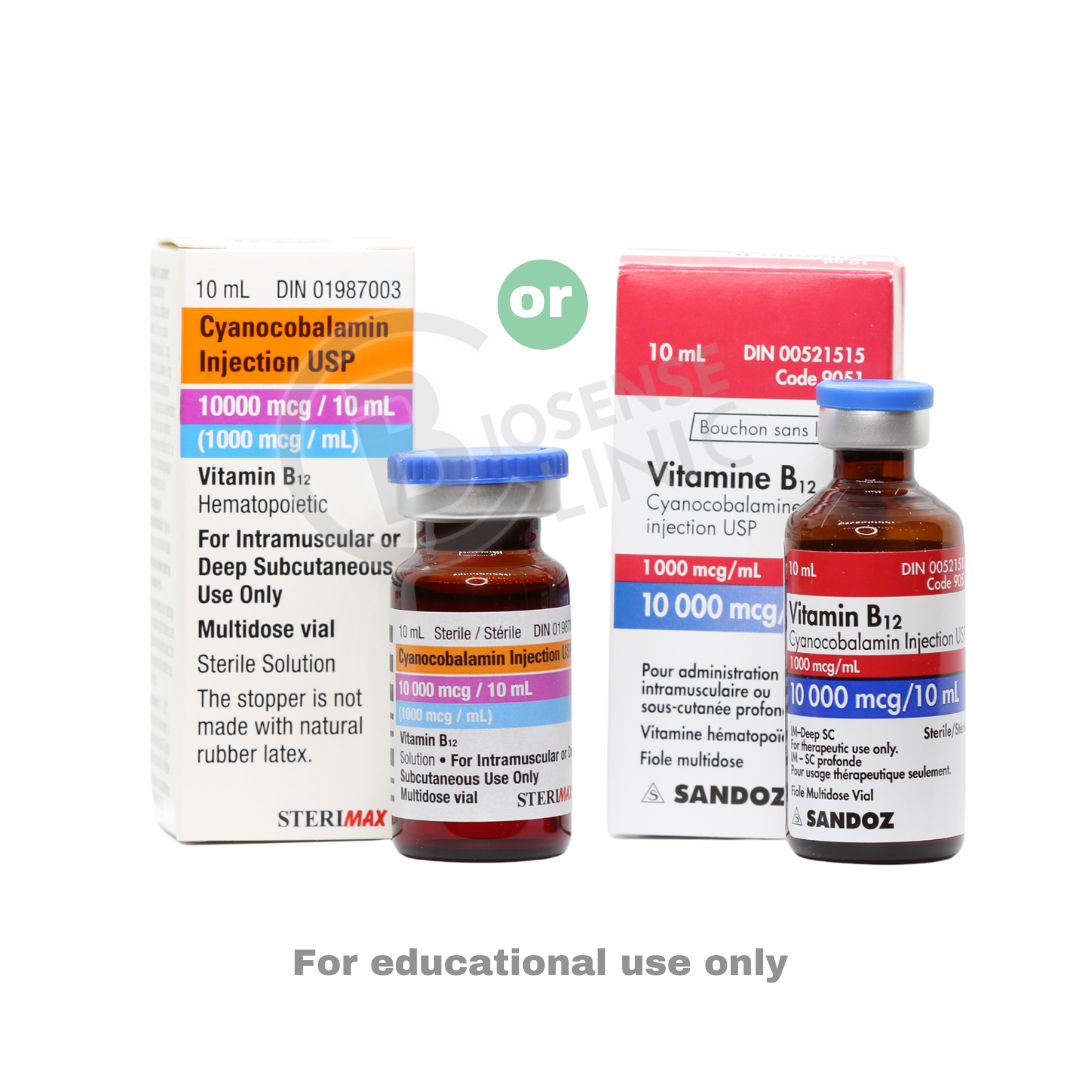
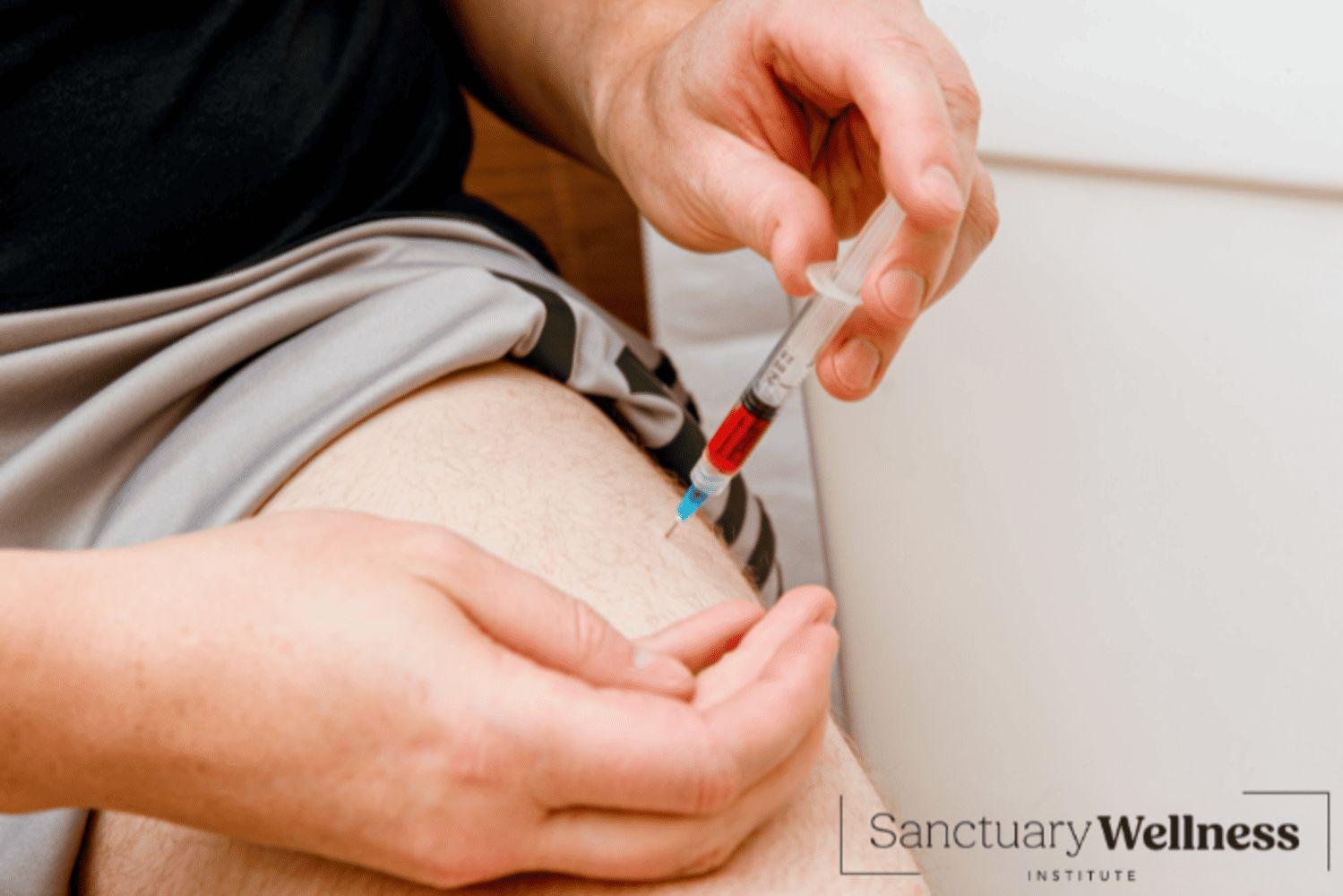
Why following advice about what not to do after a B12 injection matters The short rules clinicians give you are practical and based on common sense about how the body heals
For many people, structure is important
Its a demanding route, especially because of the elevation change: you descend 1,500 meters and then climb back up the same amount