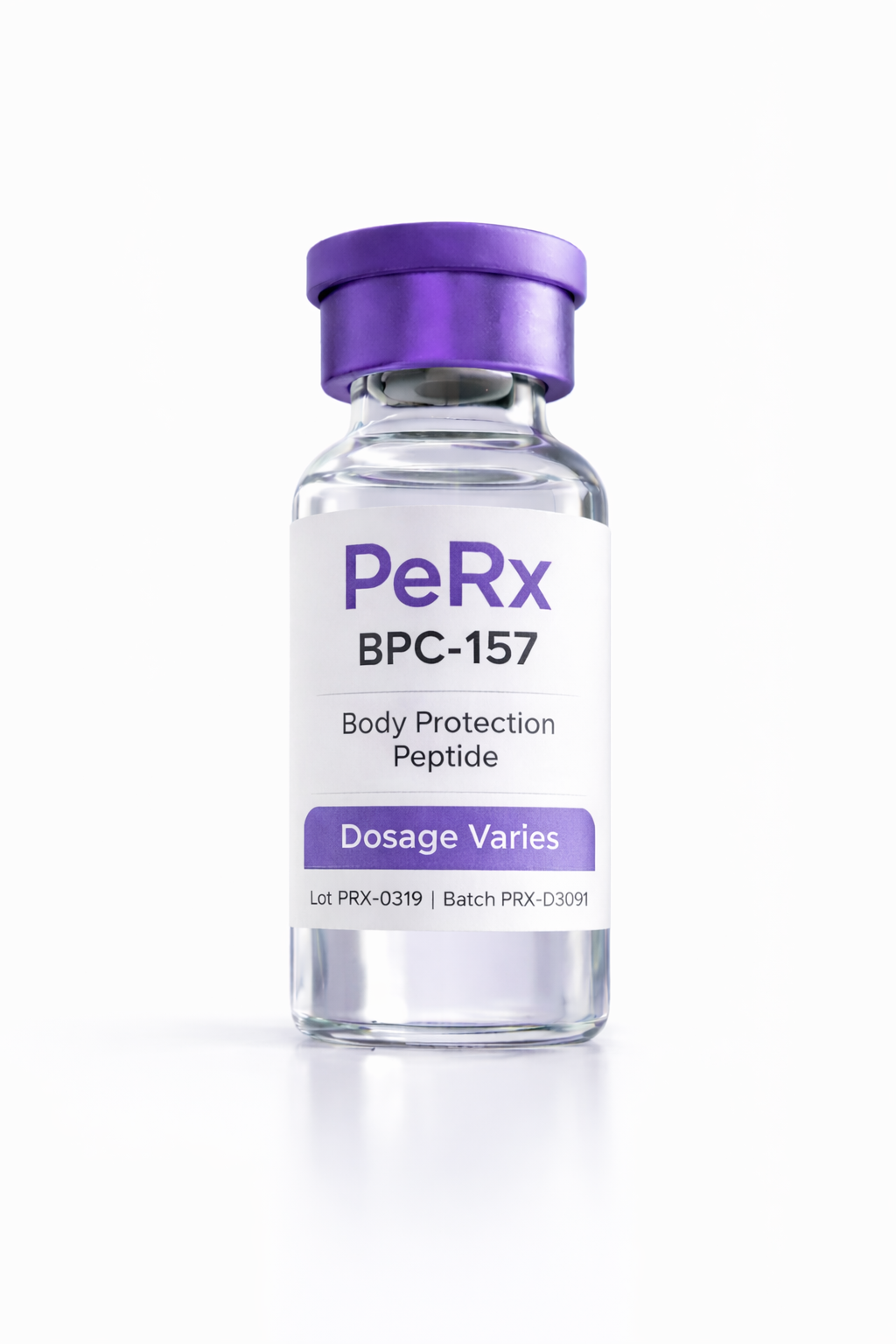
For acute injuries with significant pain and swelling, some practitioners and experienced users suggest a higher loading approach during the first 3-5 days: 0.5 mg twice daily (1 mg total) before reducing to maintenance dosing
Cyanocobalamin is a manufactured form of vitamin B 12 used to treat vitamin B 12 deficiency.[2] The deficiency may occur in pernicious anemia, following surgical removal of the stomach, with fish tapeworm, or due to bowel cancer.[6] It is less preferred than hydroxocobalamin for treating vitamin B 12 deficiency.[4] It is used by mouth, by injection into a muscle, or as a nasal spray.[4][5] Cyanocobalamin is generally well tolerated.[7] Minor side effects may include diarrhea and itchiness.[8] Serious side effects may include anaphylaxis, low blood potassium, and heart failure.[8] Use is not recommended in those who are allergic to cobalt or have Leber's disease.[6] Vitamin B 12 is an essential nutrient meaning that it cannot be made by the body but is required for life.[9][7] Cyanocobalamin was first manufactured in the 1940s.[10] It is available as a generic medication and over the counter.[4][7] In 2019, it was the 155th most commonly prescribed medication in the United States, with more than 4 million prescriptions
Safety: Although generally considered safe, some side effects have been reported
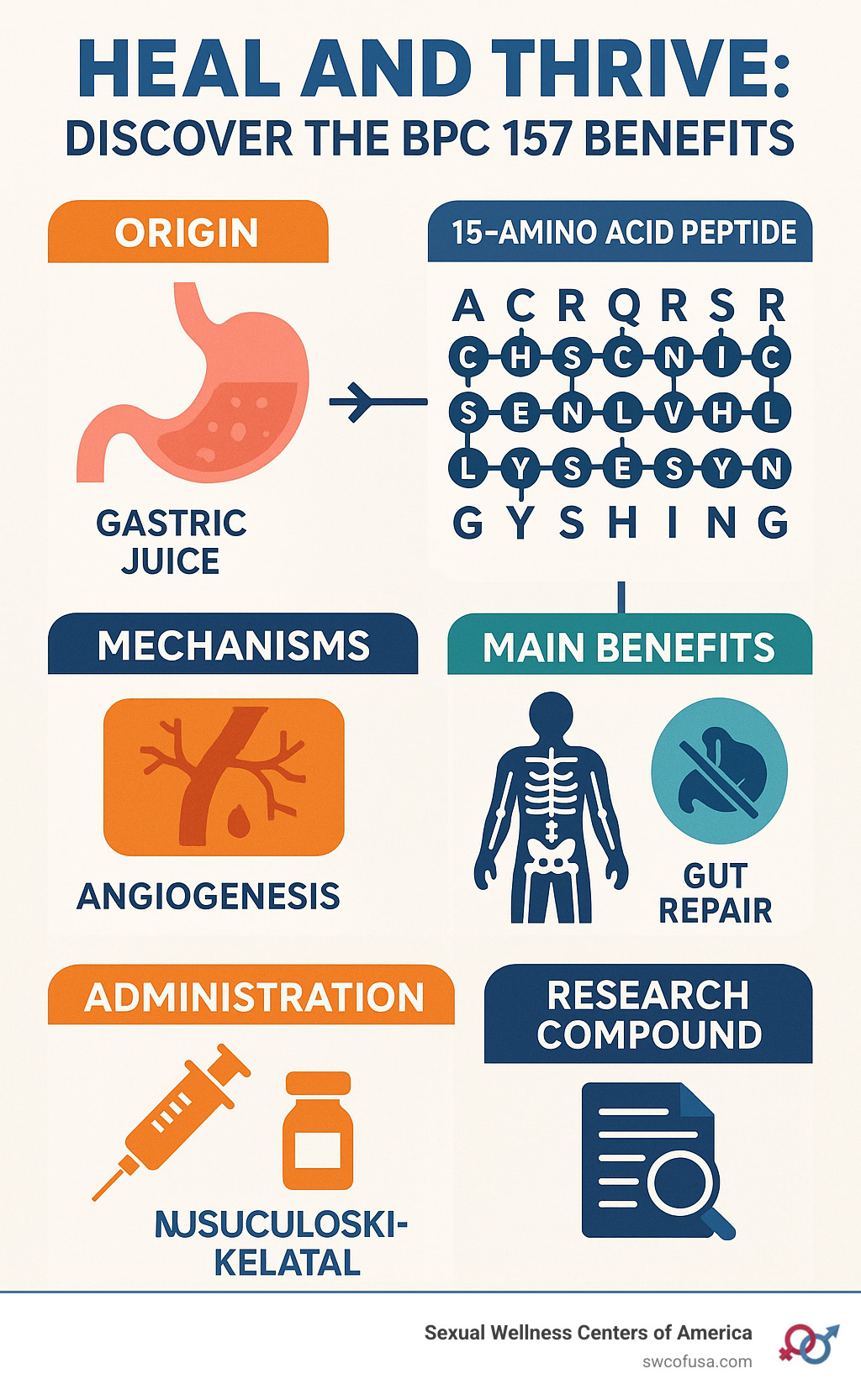
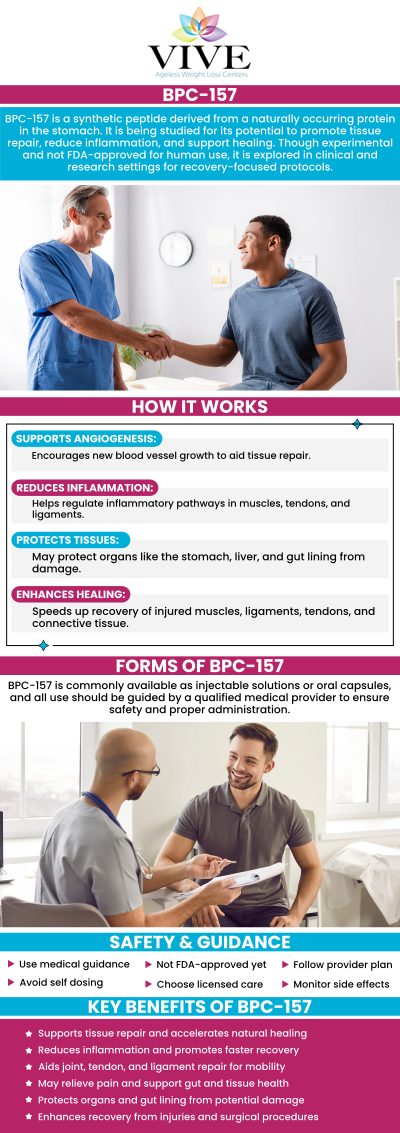
In stroke models, BPC 157 improved memory and motor coordination and mitigated inflammation, while traumatic brain injury (TBI) studies revealed less bleeding and better survival rates
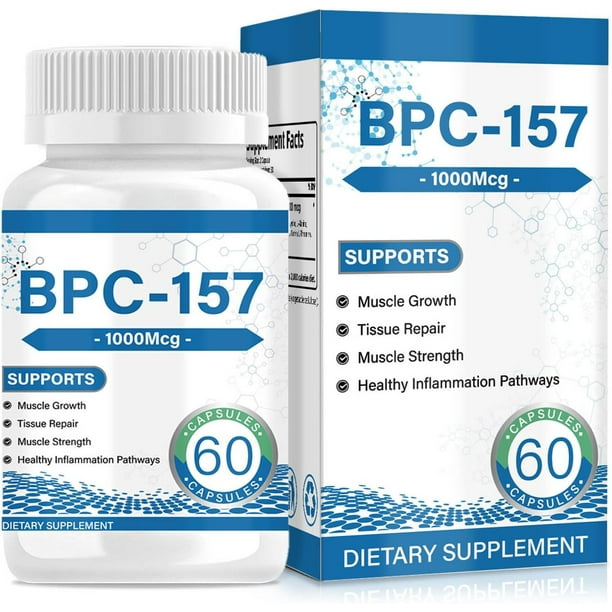
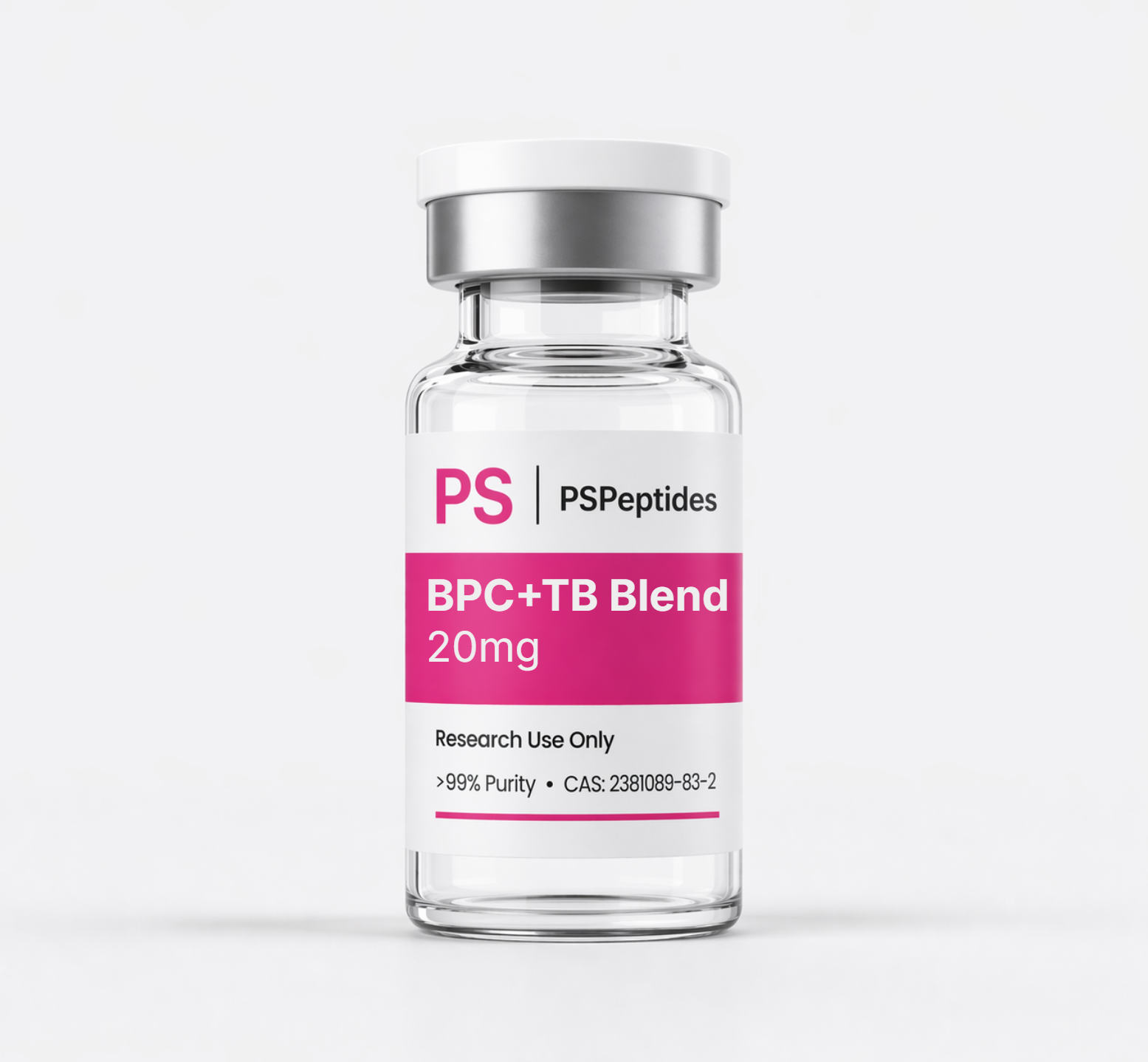
Third-party COA on every batch, ships from AZ, arrives in 2 days
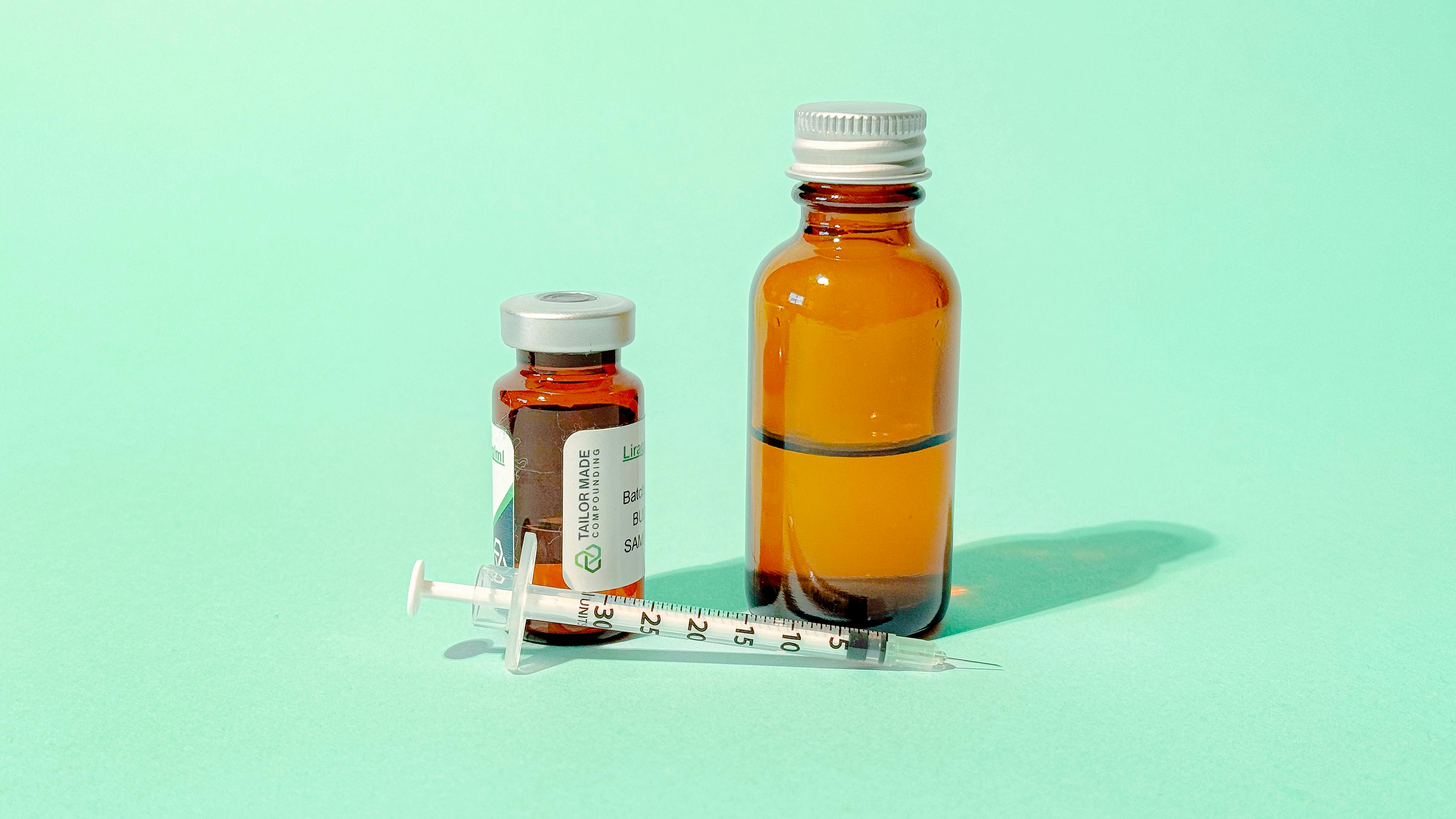
"If someone experiences benefits or side effects, we don't know if they're from the peptide or because of impurities, endotoxins, or anything else that could be in there," Husain says